The earliest Christians did not merely teach that Jesus was a wise teacher or moral example. They proclaimed something far more radical: that He had been crucified, died, was buried, and on the third day rose again. This was not a peripheral idea—it was the foundation of their message.
A physician named Luke, a companion to the Apostle Paul, interviewed witnesses to record their accounts of their interactions with Jesus. In a second book, Acts of the Apostles, Dr. Luke wrote a detailed account of the life and teaching of the earliest disciples.
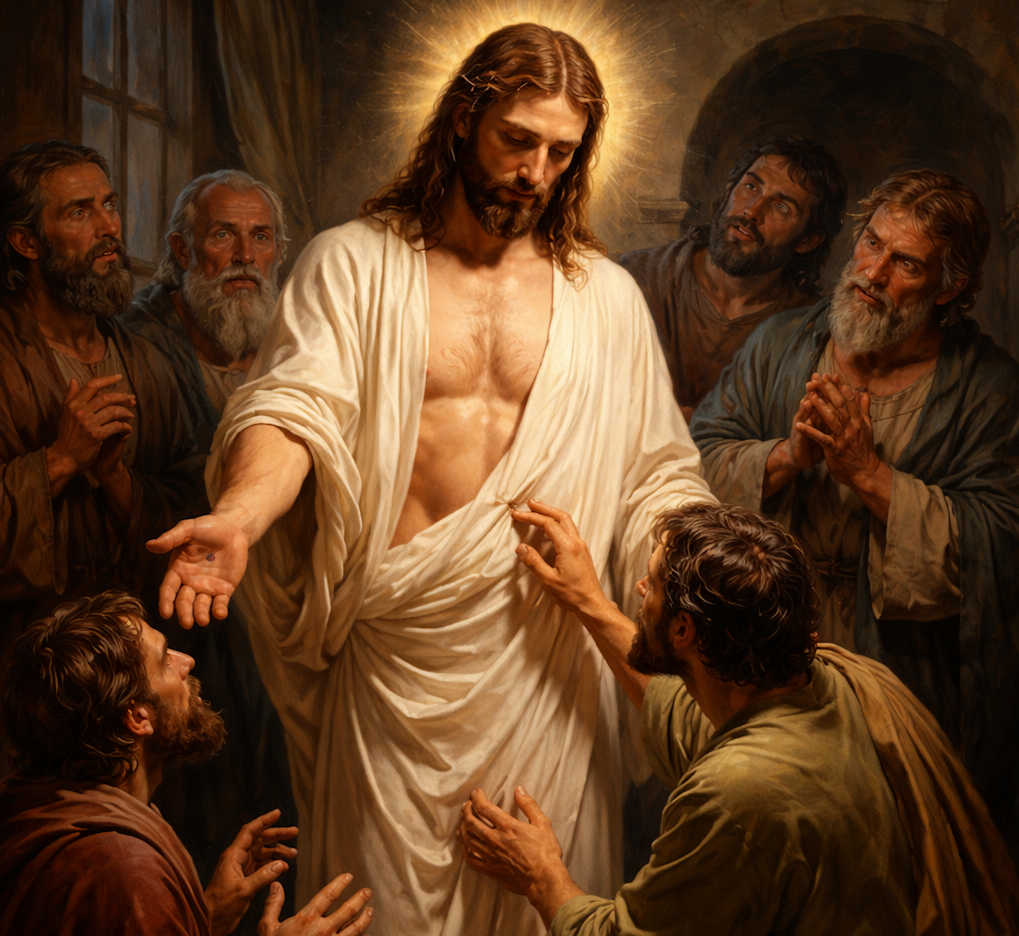
“In my former book, Theophilus, I wrote about all that Jesus began to do and to teach until the day he was taken up to heaven, after giving instructions through the Holy Spirit to the apostles he had chosen. After his suffering, he presented himself to them and gave many convincing proofs that he was alive. He appeared to them over a period of forty days and spoke about the kingdom of God.” Acts 1:1-3
The Apostle Paul, who described how the resurrected Jesus appeared to more than 500 witnesses, many of whom were still alive, wrote that if Christ has not been raised, then Christian faith is futile. In other words, Christianity stands or falls on the resurrection. If Jesus truly rose from the dead, then His identity, His teachings, and His promises stand with unshakable authority. If He did not, Christianity collapses into a beautiful but empty story.
Theologian N. T. Wright argues that the rise of early Christianity is historically inexplicable unless Jesus truly rose from the dead. In The Resurrection of the Son of God, Wright notes that neither Jewish nor Greco‑Roman worldviews had categories for a single individual rising bodily in the middle of history. Something extraordinary had to have happened to transform frightened disciples into bold witnesses.
John Stott, an influential evangelical thinker, emphasized the deeply personal dimension: the resurrection is not only an event to be studied but a reality that reshapes human hope. Because Jesus lives, Stott argued, Christians trust that sin, death, and despair do not have the final word.
While people continue to debate the evidence, Christian theologians consistently affirm that the resurrection is both historically credible and spiritually transformative. For believers, Jesus’ return from the dead is not merely a doctrine — it is the heartbeat of our faith and the source of enduring hope.
Because Jesus lives, we believe their labor, suffering, and love are not in vain. The resurrection gives purpose to the present and hope for what is to come. If the resurrection is true, then Christianity is not merely a philosophy—it is the announcement that God has acted decisively in history and invites all men and women into new life.
If you would like to know more about how the resurrected Jesus can transform your life and assure you an eternity with him in a world without conflict, shame, pain and death, then we encourage you to read our post: How does one become a Christian?

Answers to Life’s Greatest Questions is provided by Living Dialog Ministries. Visit our website at LivingDialog.org where you’ll see the wide range of books and booklets to help you go deeper in the study of God’s Word.