

Paul lists “administrations” among the Spirit’s gifts in 1 Corinthians 12:28, alongside teaching, healing, helping, and leadership. The Greek word, kybernēseis, is associated with steering or piloting a vessel. It’s the helmsman who is ensuring that the vessel is moving in the right direction. This image is not primarily that of an executive or bureaucrat sitting in an office but someone who keeps the church on course, like a pilot steering a ship through the vagaries of weather, currents, tides, and shoals.
This gift of administration reaches well beyond church operations. Any community or enterprise needs people who can bring order to complexity, keep a mission in view, and help others do their work well. Administration is not merely paperwork or control. At its best, it is practical service.
A good administrator draws on many gifts. Stewardship helps him or her handle time, money, talent, and trust responsibly. Caring keeps decisions grounded in the well-being of people. Wisdom helps these individuals to weigh competing needs and see consequences before acting. Patience, discernment, communication, and encouragement matter too. The administrator’s task is to bring these capacities together for the good of the whole.
In churches with multiple staff members and many volunteers, administration helps turn a shared mission into coordinated action. Worship services, children’s programs, outreach, pastoral care, facilities, and community support all depend on people knowing what needs doing and how their work connects with others. Good coordination helps staff and volunteers use their gifts, prevents important tasks from falling through the cracks, and frees more people to serve. Behind a church’s visible ministry is often the steady work of planning, communication, scheduling, and care.
Jesus taught his followers to love their neighbors and to serve rather than dominate. He also acknowledged legitimate authority: when asked about taxes, he told his listeners to give the emperor what belonged to the emperor and to God what belonged to God (Matthew 22:21). Respect for authority, in this light, does not mean treating power as absolute. It means exercising responsibility with humility and recognizing that leaders, too, are accountable.
This is the heart of Values-Centered Leadership: biblical values guide decisions, especially when choices are difficult. A wise administrator seeks the views of those affected, listens carefully, and then makes a clear, fair decision. Listening does not mean every preference can prevail; it means people are treated as worthy of consideration. The leader delegates authority generously and wisely, giving others room to use their abilities, learn, and flourish. As Paul writes, gifts are given “for the common good” (1 Corinthians 12:7). They are not grounds for boasting.
When administration is practiced this way, its impact can be profound. In a church, sound organization can support outreach and growth. In a nonprofit, it can direct resources to the people who need them. In a company, it can make work more humane and purposeful. In a political organization, it can help turn public responsibility into practical service. Across communities and institutions, thoughtful administration builds trust and makes good work sustainable.
The gift of administration may not always draw attention. It often works behind the scenes, coordinating people and resources so that others can thrive. Guided by love, wisdom, and respect, it helps communities carry their mission farther—and makes leadership itself an act of service.
Living Dialog Ministries takes the gift of administration seriously. We want to equip Christians to use their gifts to strengthen the Church and encourage others in their daily walk. We also want to help those who do not yet know how to enter into a personal relationship with God to discover the joy and freedom of becoming a child of God. By showing hospitality to such as these, you may be opening the door to their understanding of how to enter into a life-altering, personal relationship with Jesus. That relationship is explained in our post: How Can I Become a Christian?.
_______________________
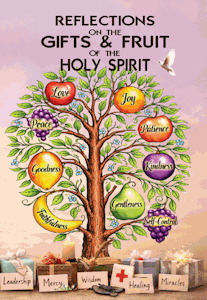
If you would like to learn more about the gifts of the Spirit, we encourage you to pick up our 32-page booklet, Reflections on the Gifts and Fruit of the Holy Spirit.
I