
The world often defines a leader as someone who has authority, influence, or the ability to get others to follow. The Bible presents a different picture. Christian leadership is not primarily about position or power; it is about serving others faithfully and helping them become what God has called them to be.
Paul addresses leadership in his letter to the church in Rome as he describes the different gifts God gives to His people:
We have different gifts, according to the grace given to each of us. If your gift is prophesying, then prophesy in accordance with your faith; if it is serving, then serve; if it is teaching, then teach; if it is to encourage, then give encouragement; if it is giving, then give generously; if it is to lead, do it diligently; if it is to show mercy, do it cheerfully. Romans 12:6-8
Leadership, therefore, is both a gift and a responsibility. The word diligently suggests earnestness, care, and wholehearted effort. Biblical leadership is not something to be exercised casually or selfishly.
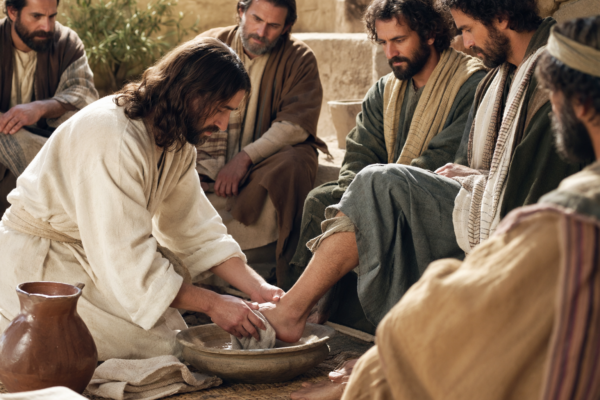
Jesus provided the clearest model. When His disciples were arguing about greatness, Jesus told them, “Whoever wants to become great among you must be your servant” (Mark 10:43). Then He pointed to Himself: “For even the Son of Man did not come to be served, but to serve” (Mark 10:45). Jesus demonstrated this principle when He washed His disciples’ feet and told them to follow His example (John 13:12–15).
The Bible repeatedly connects leadership with humility, diligence, and responsibility. Moses learned to share leadership with capable people (Exodus 18:17–23). Joshua was trained to succeed Moses (Deuteronomy 31:7–8). Paul instructed Timothy to entrust what he had learned to faithful people who could teach others (2 Timothy 2:2). Peter told church leaders to shepherd God’s people willingly and by example rather than “lording it over” them (1 Peter 5:2–3).
Ancient Christian writers recognized this demanding nature of leadership. Augustine emphasized that Christian shepherds must seek the welfare of those entrusted to them rather than their own advantage.
Tim Keller, one of the leading biblical scholars of the 21st century, wrote: “…godly leadership is essentially the accountable (rather than autonomous) cultivation (rather than exploitation) of resources.” He contrasted this with sinful leadership. ie., “using a particular resource selfishly (rather than for the benefit of others) and, therefore, exploitatively (harming rather than cultivating and honoring the resource itself).”
This reflects the writings of Robert Greenleaf, who coined the modern expression “servant leadership,” and argued that the servant-leader puts the well-being and growth of others first.
The prolific author and Bible scholar Henri Nouwen described Christian leadership as a movement away from the desire for power and recognition toward prayer, ministry, vulnerability, and being willing to serve.
Servant leadership begins wherever we are. At home, it means listening to a spouse, encouraging children, accepting responsibility, and putting another person’s needs ahead of our own. At work, it means developing employees, sharing credit, mentoring younger workers, and accepting responsibility when things go wrong. In the community, it means seeing needs, organizing people to meet them, and serving without demanding recognition.
Perhaps the greatest measure of leadership is what happens after the leader is gone. A Christian leader does not simply gather followers; a Christian leader develops leaders. Jesus invested three years in twelve disciples who would carry His mission forward. Paul trained Timothy and others to do the same.
Leadership, then, is not about standing at the front so others can see us. It is about kneeling to serve, working diligently, building others up, and preparing the next generation to lead faithfully.
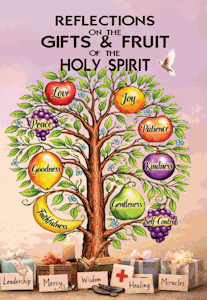
This type of servant leadership is a gift of the Spirit. The more an individual allows God to work in their life, the easier it is to recognize and utilize these spiritual gifts. If you would like to learn more about the range of gifts that the Spirit of God bestows on those who are his children (see our post: How Can I Become a Christian?) we encourage you to read our 32-page booklet, Reflections on the Gifts and Fruit of the Holy Spirit.