

Hospitality is more than being a good host. So what is Paul thinking when he urges believers to “practice hospitality”? (Romans 12:13) He uses the word philoxenia, Greek for “love of the stranger.” It is the same idea when the writer of Hebrews says not to neglect welcoming strangers (Hebrews 13:2).
In short, hospitality is welcoming people at the margins, not simply a way to entertain friends. It is a gift, a Spirit-enabled readiness to make room at the table, in the congregation, and in one’s life—so another person can experience care and dignity.
That welcome has deep roots in Middle Eastern customs. Going back to Genesis, we read about Abraham hurrying to greet unfamiliar travelers, offering water for their feet, and preparing a generous meal. (Genesis 18:1–8) Offering weary guests refreshment and protection, though common, may not have been universally practiced which is why God commanded the descendants of Jacob to love the foreigner, remembering their own history as strangers in Egypt (Leviticus 19:33–34).
Jesus carries this concern into the New Testament, describing behavior that wins favor before God. In His parable about judgement before a king (God the Father) Jesus says:
“For I was hungry and you gave me something to eat, I was thirsty and you gave me something to drink, I was a stranger and you invited me in, 3 I needed clothes and you clothed me, I was sick and you looked after me, I was in prison and you came to visit me.’
“Then the righteous will answer him, ‘Lord, when did we see you hungry and feed you, or thirsty and give you something to drink? When did we see you a stranger and invite you in, or needing clothes and clothe you? 39 When did we see you sick or in prison and go to visit you?’
40 “The King will reply, ‘Truly I tell you, whatever you did for one of the least of these brothers and sisters of mine, you did for me.’
Matthew 25: 35-40
Hospitality therefore reaches beyond church members to neighbors, newcomers, and people who may never repay the welcome. Welcoming strangers can make visible the faith of individuals as well as the community of believers know as the church.
At work, hospitality might look like a colleague who notices a new employee eating alone and invites them in, or a team that makes space for a contractor, visitor, or overlooked coworker to contribute. Some people offer welcome mainly because policy or social pressure requires it: they check the box, then move on. Others see the guest as a person made in God’s image, worthy of attention in their own right. Their welcome is generous without being performative; it seeks the guest’s good and, through that care, honors God.
Sisters Mary and Martha show two different responses to Jesus’ visit (Luke 10:38–42). Martha receives and serves the guests, while Mary sits at Jesus’ feet to listen. Jesus does not condemn service; though He cautions Martha about being anxious and distracted, and affirms Mary’s attentive welcome. In John 12:1–3, Martha again serves, while Mary anoints Jesus’ feet with costly perfume. Together, the sisters remind us that hospitality can take the form of practical care or attentive presence. At its heart, it honors both God and the person welcomed.
Do you have the gift of hospitality? If so, practice it regularly and vigorously. If that is not your gifting, but would like to better serve through hospitality, ask God for that gtift. Pray persistently. As with any other petition to God, the Father loves to hear the voice of his children. When you talk with him, lift up your request for the gift of hospitality and then find someone with whom you’d like to “try” hospitality. You may be rejected, but what if the person responds positively? Be reminded that in showing hospitality to others, you are likewise showing hospitality to Jesus.
Living Dialog Ministries takes the gift of hospitality seriously. We want to equip Christians to use their gifts to strengthen the Church and encourage others in their daily walk. We also want to help those who do not yet know how to enter into a personal relationship with God to discover the joy and freedom of becoming a child of God. By showing hospitality to such as these, you may be opening the door to their understanding of how to enter into a life-altering, personal relationship with Jesus. That relationship is explained in our post: How Can I Become a Christian?.
_______________________
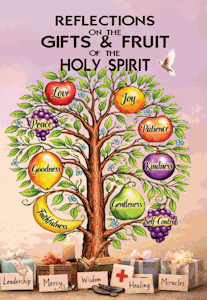
If you would like to learn more about the gifts of the Spirit, we encourage you to pick up our 32-page booklet, Reflections on the Gifts and Fruit of the Holy Spirit.