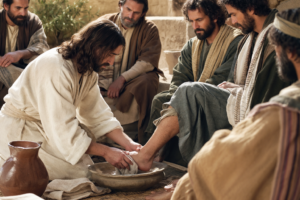


The Apostle Paul, includes mercy among the spiritual gifts in his letter to the church in Rome. He identifies mercy as a unique gift. It is more than kindness or serving, or giving generously. He suggests that is a gift that my be difficult to exercise otherwise Paul would not have added the admonition to do it cheerfully.
We have different gifts, according to the grace given to each of us. If your gift is prophesying, then prophesy in accordance with your faith; if it is serving, then serve; if it is teaching, then teach; if it is to encourage, then give encouragement; if it is giving, then give generously; if it is to lead, do it diligently; if it is to show mercy, do it cheerfully. Romans 12:6-8
Mercy is woven throughout the story of Scripture. Jacob’s favored son, Joseph, could have punished his brothers for selling him into slavery, but instead he forgave them and provided for them (Genesis 45; 50). David had the opportunity to kill King Saul, who was pursuing him, but David chose mercy instead (1 Samuel 24). The prophet Micah captured God’s desire when he wrote that we are to “love mercy”:
He has shown you, O mortal, what is good.
And what does the Lord require of you?
To act justly and to love mercy
and to walk humbly with your God. Micah 6:8
But mercy finds its greatest expression at the cross. Jesus did not merely feel compassion for sinners; He acted on their behalf. He willingly went to Jerusalem knowing that suffering and death awaited Him. At the cross, Jesus, a man who knew no sin, voluntarily paid the ultimate penalty for all the sins of all mankind for all time. As Peter wrote:
Christ also suffered once for sins, the righteous for the unrighteous, to bring you to God. 1 Peter 3:18
The Christian’s ability to show mercy begins with recognizing the mercy we have already received. it’s looking past the an individual’s situation and instead of asking “What do they deserve?” mercy asks, “How can I help?”
The early Christians understood this. During devastating plagues in the Roman Empire, many people abandoned those who were sick and dying. Christians often did the opposite. They cared for the sick, provided food and water, and remained with those who had been abandoned even knowing that doing so exposed them to disease. No doubt, many of those they cared for had viewed the Christians as their enemies. Their compassion demonstrated that the love of Christ was more than words.
Augustine, the great church leader of the fourth century, who himself had lived a life of licenciousness and debauchery before repenting and turning from his sinful ways, taught that Christians should extend to others the mercy they themselves have received from God.
John Calvin, the renowned 16th century reformer commenting on Romans 12, understood mercy as a grace that moves believers to relieve the suffering of others. More recently, writers such as Tim Keller have emphasized that biblical mercy enters into another person’s suffering rather than observing it from a safe distance.
The gift of mercy is therefore not simply a tender personality. It is a God-given capacity to see suffering, feel compassion, and act. It is looking at someone who may have wronged you, or is suffering because of poor choices they have made in life, and cheerfully seeking to forgive, mend fences or help them through difficult times.
Perhaps God has placed someone in your path today who needs mercy. Don’t look away. Move toward them. Listen. Forgive. Visit. Give. Encourage. Serve.
And do it cheerfully.
Christ has shown us mercy at the cross. Now He calls us to become instruments of that same mercy in a suffering world. Embrace the gift. Look for those who hurt. And let the mercy of Jesus become visible through your life.
Living Dialog Ministries takes the gift of mercy seriously. We want to encourage men and women in their daily walk to exercise the gifts given to them through the holy Spirit of God. We also want to help those who have not yet entered into a personal relationship with God and allowed His gifts to be expressed to discover the joy and freedom of becoming a child of God. If you would like to enter into this relationshipplease read our post: How Can I Become a Christian?.
_______________________
If you would like to learn more about the gifts of the Spirit, we encourage you to pick up our 32-page booklet, Reflections on the Gifts and Fruit of the Holy Spirit.