

In his letter to the church in Rome, Paul explains:
We have different gifts, according to the grace given to each of us. If your gift is prophesying, then prophesy in accordance with your faith; if it is serving, then serve; if it is teaching, then teach; if it is to encourage, then give encouragement; if it is giving, then give generously; if it is to lead, do it diligently; if it is to show mercy, do it cheerfully. Romans 12:6-8
Paul places the gift of serving right up there with what some people think are gifts of a higher order, like prophesying, teaching, or leading. He wants Christians to understand that the gift of serving is as important as any other and those who have the gift should it express it through practical action.
Serving is ability to notice what needs to be done and willingly do it for the benefit of others and the glory of God.
The life of Jesus was a continual act of service. He flips the script when speaking to his disciples:
For who is greater, the one who is at the table or the one who serves? Is it not the one who is at the table? But I am among you as one who serves. Luke 22:27
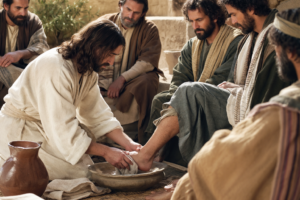
In addition to healing the sick, casting out demons, raising Lasurus from the dead and forgiving sins, Jesus provided a vivid example of serving by washing the feet of His disciples. (John 13:1–17). In so doing, he showed that Christian service is not inferior work. It is Christlike work.
The early church quickly discovered how essential this gift was. In Acts 6:1–6, when a practical need arose concerning the daily distribution of food to widows, seven Spirit-filled men were appointed to handle the responsibility. Their service enabled the apostles to devote themselves to prayer and the ministry of the Word. Paul also commends people who served the church faithfully. In Romans 16, Phoebe is described as a servant of the church at Cenchreae and as one who had helped many, including Paul.
As with all gifts of the Spirit, serving is not for personal recognition but for the building up of God’s people.
The Old Testament provides many examples of the Spirit gifting individuals with servant-hearted faith. Joshua faithfully served Moses (Exodus 33:11), Elisha served Elijah (1 Kings 19:21), and the Levites were entrusted with practical responsibilities connected with worship (Numbers 3:5–9).
So often, genuine service appears in ordinary acts that are little noticed, but may be greatly appreciated —listening to someone, caring for another’s sorrow, protecting someone’s reputation, or simply performing an everyday kindness.
Today, those with the gift of serving can use it in countless ways: preparing meals for the sick, helping elderly neighbors, repairing homes, welcoming newcomers, assisting teachers, organizing church ministries, visiting nursing homes, mentoring young people, volunteering with charities, or quietly helping someone who is struggling.
The gift of serving reminds us that God’s kingdom advances not only through preaching and teaching, but also through willing hands. Sometimes the most powerful ministry is simply seeing a need—and responding with love.
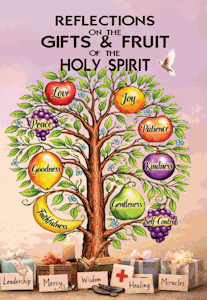
If you would like to learn more about the gifts of the Spirit, we encourage you to pick up our 32-page booklet, Reflections on the Gifts and Fruit of the Holy Spirit.